
Lunit win forces onshore governance
4 May – 10 May 2026
Why it matters
Public procurement is now rewarding vendors that can keep data onshore, show governed AI, and deliver end to end workflows that include billing. Health tech companies that cannot demonstrate those capabilities will lose large public tenders and find integration requirements increasingly non negotiable.
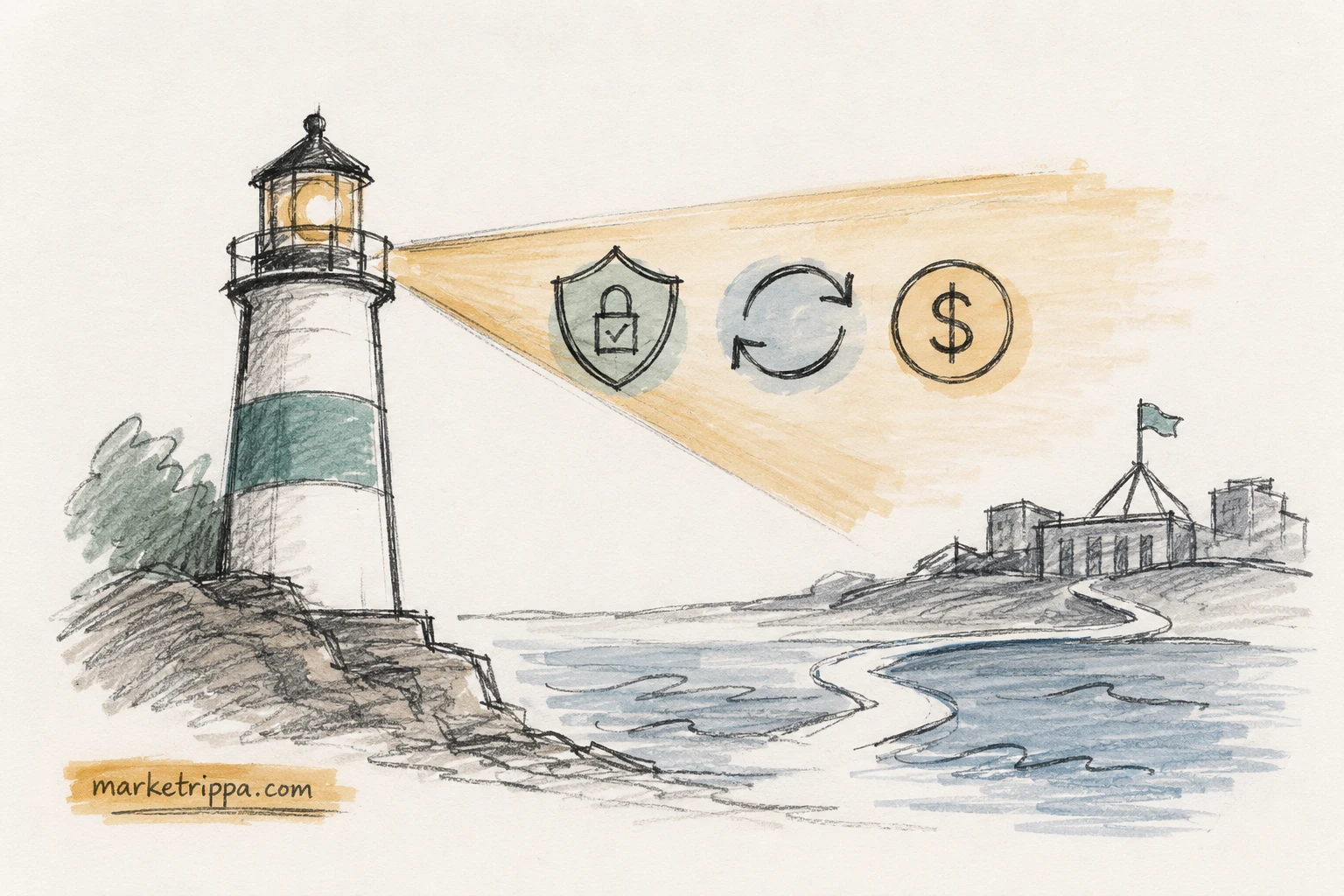
BreastScreen NSW choosing Lunit over BRAIx and the ADHA reporting 47% My Health Record interoperability complete have made onshore data governance and practical interoperability the gating criteria for Australian health AI procurement.
Governance wins
The Lunit decision, combined with clinician‑led procurement rules and calls for local capability, forces a binary choice for vendors: prove onshore data custody and governance or lose public contracts; Australian incumbents and onshore startups with clear governance processes are advantaged while offshore or poorly governed offers are under immediate pressure.
Data in motion
With the ADHA saying 75% of the national interoperability plan is finished, Provider Connect Australia live and a 285% rise in weekly clinician pathology views, data is moving from plan to routine; vendors that provide secure, privacy aware APIs plus end to end clinical and billing workflows will win faster procurement and clinician adoption than point solutions that depend on manual handoffs.
Cash changes models
The government’s 1.8 billion dollar, five year package for urgent care and calls for blended GP funding mean commissioners will buy outcomes and capitation features, not only fee for service modules; vendors must add per patient budgeting, shared risk and care coordination tools or cede advantage to PHNs and platforms that already support those models.
Cautionary constraints
Security, privacy and regulatory friction are the real brakes on adoption: the Canvas breach, tighter AML/CTF rules from July 1, paediatric wearables trials collecting Apple Watch data for 150 children, and stricter HTA pricing guidance together create a failure mode where rushed AI features are blocked by procurement or patient data concerns, favouring vendors that invest in governance before product launches.
Convergence forming
Across the last four weeks a clear procurement profile has taken shape: governments want governed AI, demonstrable interoperability and revenue integrity in a single supply chain. That pattern is building. The unique operator insight is that governments are losing patience with multi vendor mosaics, so vendors that stitch together onshore data custody, API completeness and invoicing integration will increasingly capture public contracts while component sellers face margin and access pressure.
5 signals in numbers
- 1,000,000 downloads of the 1800MEDICARE app — patient uptake at this scale increases pressure to implement Share by Default data flows and forces health IT teams to prioritise interoperability and consent tooling.
- 75% of the national interoperability plan complete and My Health Record interoperability 47% complete — standards are moving into operational use, creating a procurement window for vendors who can demonstrate conformance now rather than later.
- 1.8 billion dollars over five years for about 135 urgent care clinics — this committed funding creates a sizeable, IT‑dependent service network that will buy triage, handover and scheduling systems at scale.
- 285% rise in weekly clinician pathology report views — clinicians are using richer records more often, which raises the bar for secure AI decision support and makes data integration a commercially material feature.
- Nearly 15,000 endoscopy referrals processed since October 2023 with 25.3% declined as unnecessary — structured digital triage is delivering measurable throughput gains, signalling procurement preference for trackable, clinician‑led workflows.
Methodology: This weekly brief synthesises the source coverage listed below and adds editorial framing for Australian health operators. It is not medical advice and should be read alongside the original reporting.